Best Western Plus Sabaudia Hotel
Sabaudia is a small corner of paradise between sea, lakes and lots of nature. A few kilometers from Latina and just over an hour from Rome, the town of Sabaudia will impress you with its harmonious architecture that is livable in every sense, with wide spaces and green areas in which to stroll. A sandy shoreline stretches for about ten kilometers isolated from the road by a barrier of dunes that are a European heritage site. In Sabaudia the contrasts of the landscape will leave you breathless, a large national park, rich in vegetation and animals, four coastal brackish lakes in which to canoe in the shadow of Mount Circeo.
Sabaudia is a very quaint town, and deciding what to do or see will not be easy. One of the must-do things in Sabaudia is a walk, or a dip, in the crystal-clear waters of its waterfront with fine golden sand and the dunes that characterize its shoreline. Try Sabaudia’s food and wine specialties such as fried fish, grilled fish, linguine allo scoglio, spaghetti with real clams, and much more.
The town of Sabaudia will give you enchanting walks through the alleys where you will find the Town Hall and the Civic Tower on whose side is engraved the birth certificate of Sabaudia. Inside the Municipal Palace, on the ground floor, we then find the Emilio Greco Museum where drawings, etchings, lithographs, bronzes, plaster casts, medals, coins and a series of stamps celebrating important international events are on display.
We then find the “Marcello Zei” Civic Museum of the Sea and the Coast, which is divided into two areas: biological-naturalistic and archaeological.
Religious buildings of significance on the shores of Lake Paola include the Sanctuary of Santa Maria della Sorresca, dating back to the 12th century where the ancient wooden statue of Sorresca is kept, celebrated on the Monday after Pentecost with a procession from San Felice Circeo to the small church.
Other must-see sites will be the Civic Tower and then Torre Paola, the Roman Canal and the Temple of Circe. For lovers of the genre, the Sanctuary of S. Maria della Sorresca, the Royal Chapel and the Museum of the Sea and the Coast will await you.
Wonderful scenery awaits just a stone’s throw from Rome in the Circeo National Park. A rocky mountain jutting into the Tyrrhenian Sea that marks the northern tip of the Gulf of Gaeta and, on the other side, opens to a wide, beautiful, dune-fringed bay that reaches as far as Neptune.
Unique features are the thin dunes that separate the lakes from the sea. As you climb Mount Circeo and its highest point, the famous Peak of Circe, a breathtaking view awaits, encompassing the lakes, the two strips of coastline and the Pontine Islands, but also the forest inland, which is the largest natural lowland forest in Italy. The Circeo Park is a small Italian jewel and boasts several eco-systems, each with its own flora and fauna. Biodiversity is ensured by environmental diversity, sea, lake and land. Birds include the Peregrine Falcon, which breeds on the cliffs of the Promontory, and Grey Herons and Storks that live in the areas around the coastal lakes.
If canoeing or kayaking are your passion, they are also the only way to explore the enchanting, and otherwise inaccessible, rocky coast of the Circeo Promontory. If you are looking for tranquility, a beautiful sea, and a calm, year-round lake, you can only choose Lake Paola! On its shores you can enjoy a unique combination of archaeology and nature. Even today you can still enjoy a stretch of these waterways, and the best way to do so is definitely by Canoe.
Among the thousands of things to do or see in Sabaudia, fun is guaranteed. From hiking on the Circeo promontory and in the Lepini mountains to jogging in the Circeo forest or by the sea, scuba diving, sailing, windsurfing and flysurfing, on the beaches of Sabaudia, with courses for beginners. Plus water skiing, jet skiing, fishing (at the sea and on the lakes), hang gliding and paragliding, free climbing (in Norma, Bassiano, and Sperlonga), mountain biking in the woods, or tennis and horseback riding. What to do in Sabaudia is a question that will be difficult to answer! Translated with DeepL.com (free version)
The Sabaudia Hotel is strategically located within an area rich in tourist cues of every nature, from the historical cultural to the most varied gastronomic. The staff of the Sabaudia Hotel & SPA will know how to guide you in the discovery of the Pontine territory and its attractions.
The Circeo National Park, with a secondary entrance only 300 meters from the hotel, is one of the national historic parks, established in 1934, stretching from the slopes of Mount Circeo, already mentioned in the Odyssey, along the coastline and its coastal lakes to the wooded reserves further inland. The park has been a UNESCO “biosphere reserve” since 1997, and has been a candidate for “world heritage” status.
The visitor’s hundred and the main paths through it are easily accessible from the hotel and can also be traveled with the electric bikes that can be rented at the hotel.
The Garden of Ninfa, a natural monument of Latium set within the ruins of the flourishing town of the Middle Ages, is located on the border of the municipalities of Norma and Sermoneta; it is an English garden that develops in the WWF oasis established in the ruins of ancient Ninfa, romantically integrated with the pond that the Ninfa River creates as it passes through the site. The garden is open on weekends from April to October and visits are by appointment. Book
The archipelago is of volcanic origin and consists of five islands: Ponza, Ventotene, Palmarola, Santo Stefano and Zannone. Ponza is the largest and most attractive island; Ventotene and Palmarola, less populated, retain much of their characteristic unspoiled nature while Zannone and Santo Stefano are uninhabited and absolutely integrated into the ecosystem of the Circeo National Park.
The islands can be reached year-round by ferry, with roundtrips even in a day, from the ports of Formia, Terracina and, during the summer, also from the one closest to us in the nearby town of San Felice Circeo.
Fossanova Abbey, built in the 12th century in the Gothic style, is an admirable example of Cistercian mastery applied to religious architecture. The simple, bare interior is crowned by the magnificent rose window on the façade, while the tranquility of the cloister encloses the cell where St. Thomas Aquinas died and his cenotaph. Attached to the main structure various buildings make up its small hamlet, where it is possible to relax strolling along the street where the characteristic stores face each other and in its gardens.
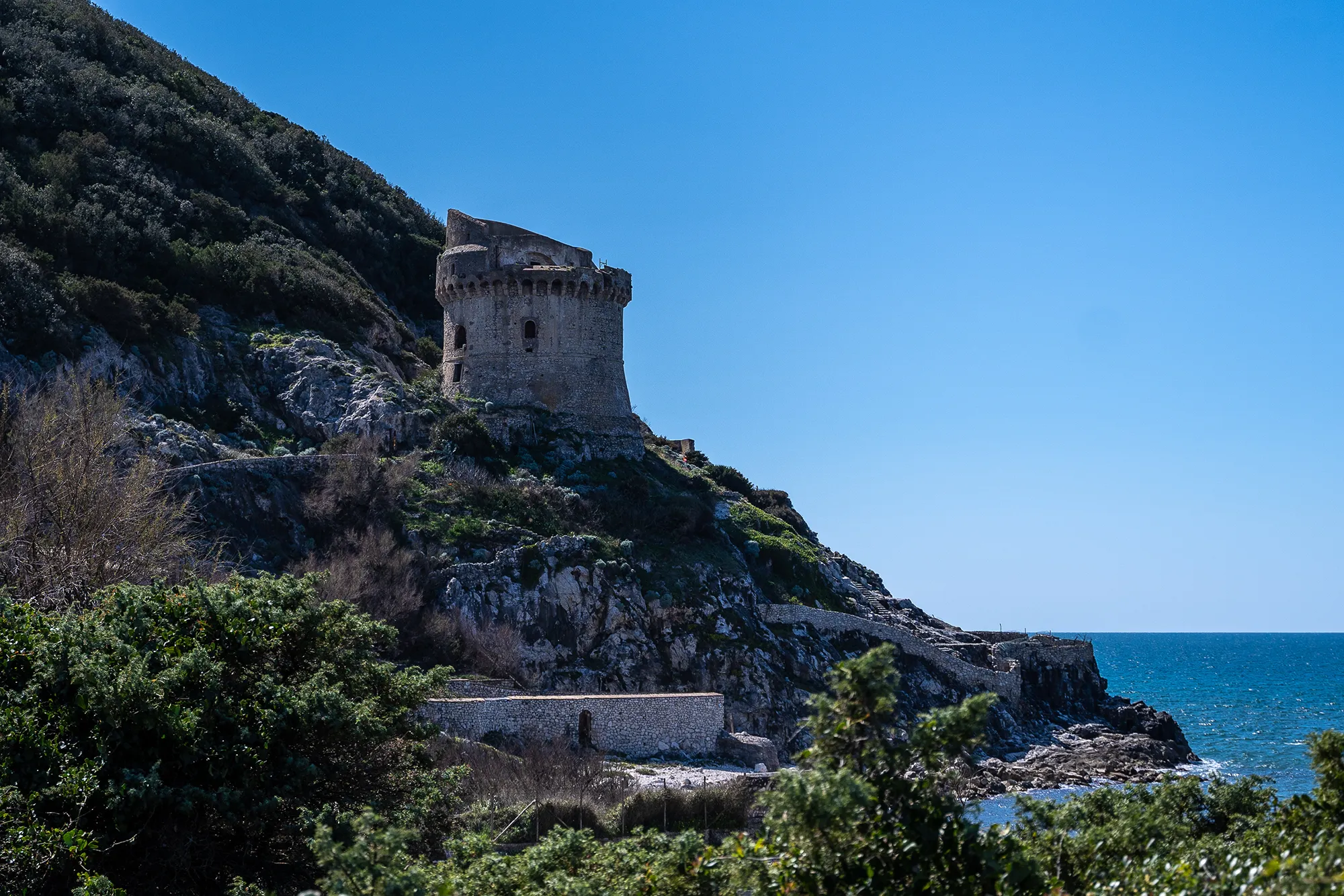
It is one of the defense towers of the Circeo promontory and was part of a complex of six towers that defended the Circeo promontory. To this day it is the only one that still retains its original structure. It was built in 1563 at the behest of Pope Pius IV by the lords of Sermoneta and San Felice to protect themselves from the constant raids of Saracen pirates Over the years it suffered several attacks and landed on the beach below many armies including Turks, French and English and fortunately managed to survive to the present day, unlike three towers on the promontory that were damaged or destroyed.
Domitian’s villa, located on the shores of Lake Paola in the Circeo Park, is the largest archaeological complex in the area. Built between AD 81 and 96, the imperial residence boasted baths, a porticoed gymnasium, cisterns, and a sophisticated aqueduct fed by the Molella spring. Connected to the sea by a canal, it allowed rapid communications with Ostia. Looting that began in the 1700s carried away valuable works and marble, but despite the damage it suffered, it still retains some of its grandeur and historic charm.
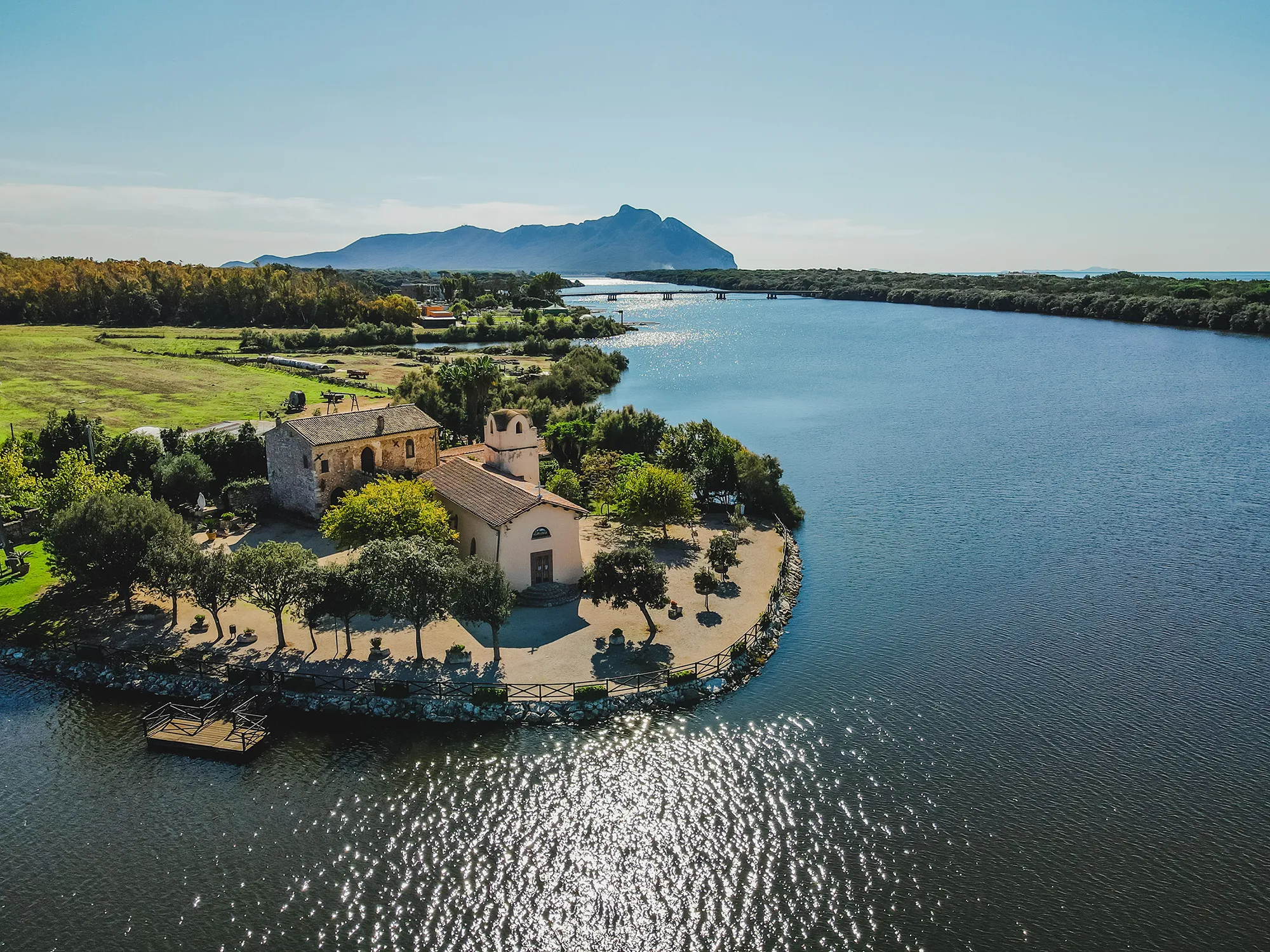
Sabaudia beach, with 15 km of fine sand and lush dunes, is one of the most beautiful in Italy. It offers free and equipped beaches, crystal-clear waters ideal for swimming, kayaking and surfing, and unique sights such as Monte Circeo and the surrounding lakes. During the summer, kiosks and activities enliven the shoreline, making it perfect for a vacation between nature and relaxation.
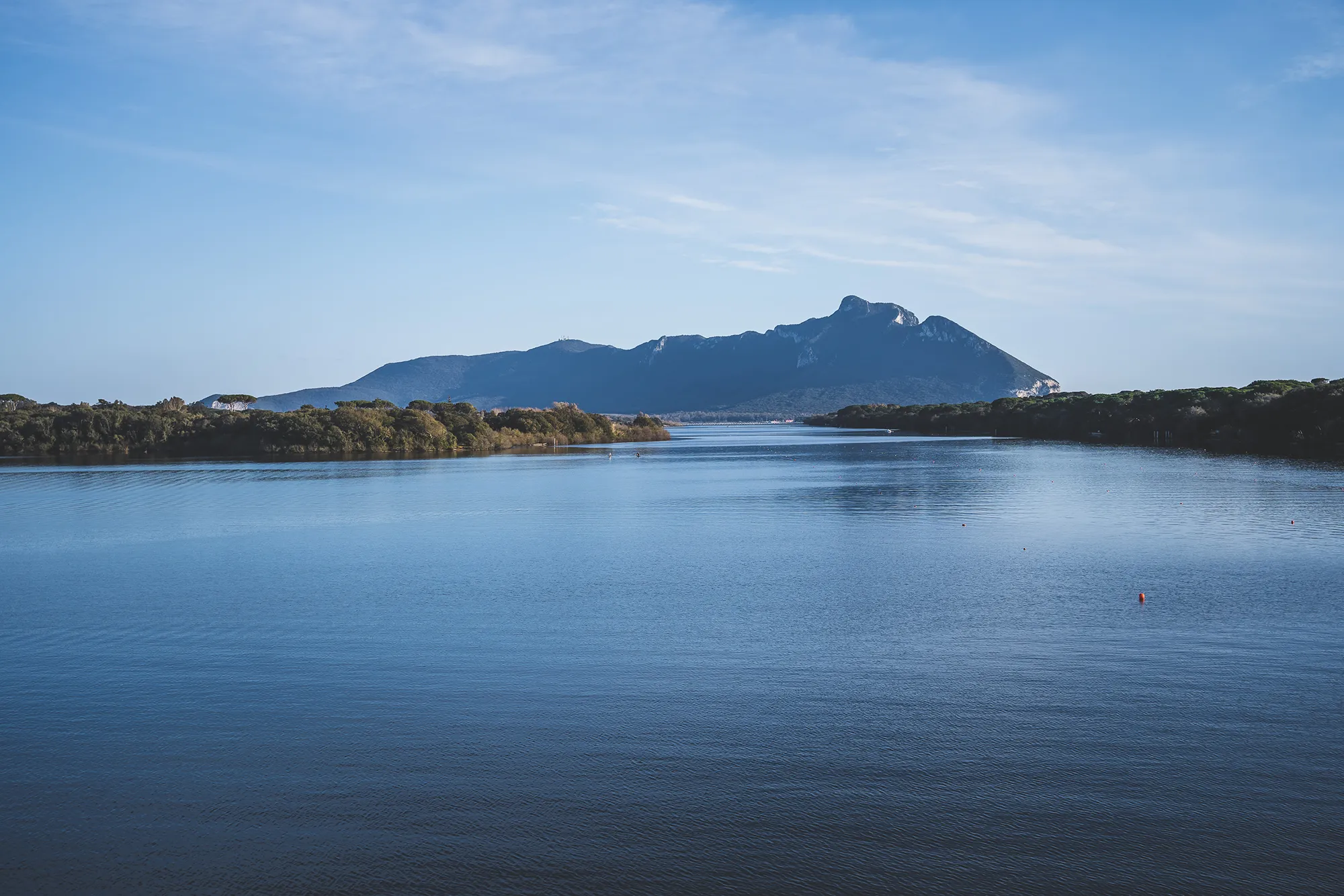
Exploring the Circeo by canoe offers breathtaking views among crystal clear sea, natural caves and isolated coves. Starting from Torre Paola or the port of San Felice Circeo, you can admire caves such as the Azzurra and Fosselloni, as well as unique beaches. In Circeo’s coastal lakes, such as Lago di Paola, archaeological sites and unspoiled nature are discovered. Canoes and kayaks are available for rent, with information and support offered at Hotel Sabaudia for an unforgettable experience.
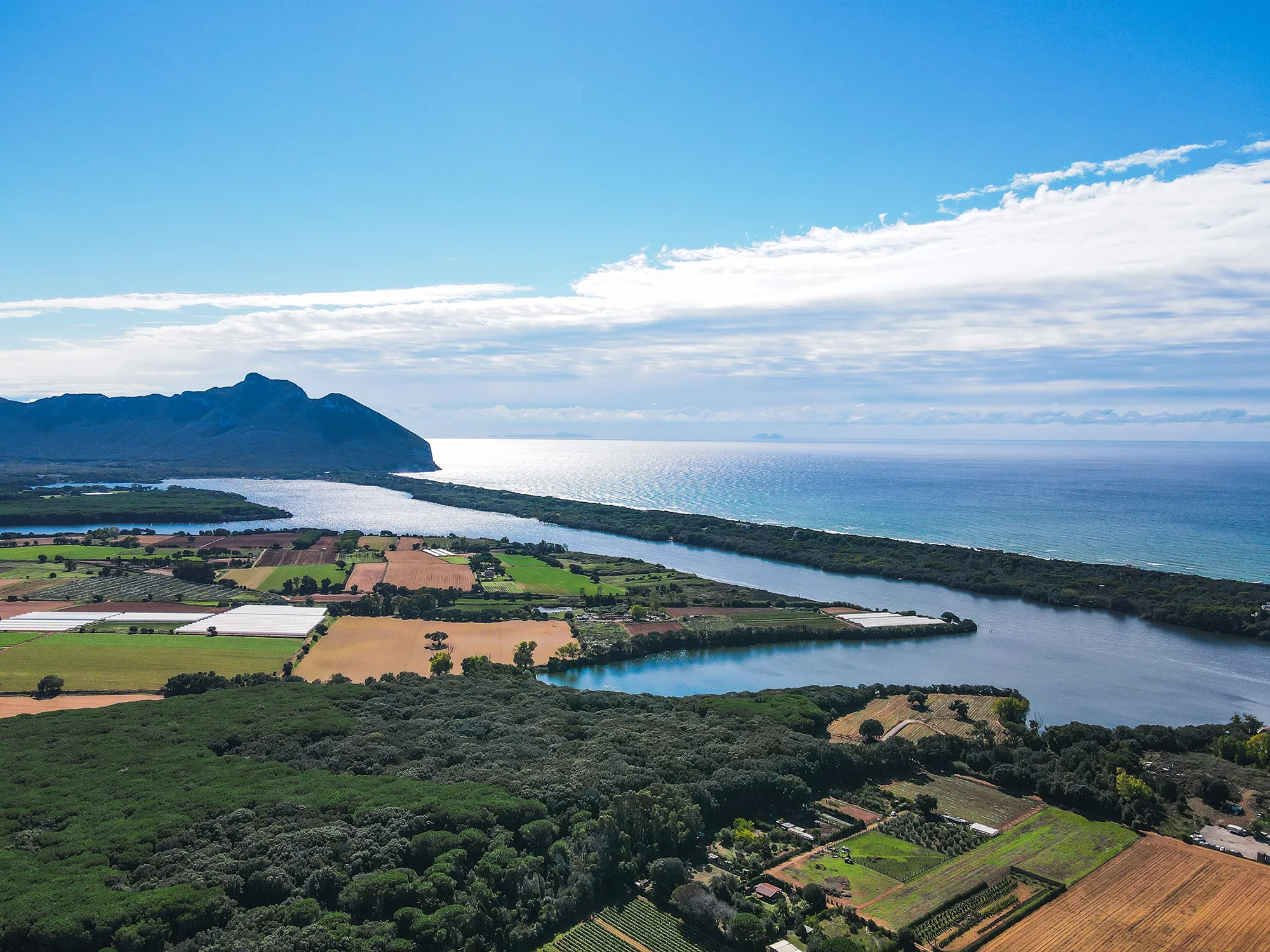
The Circeo promontory, overlooking Sabaudia beach, is famous for major archaeological discoveries, such as the remains of nine Neanderthals found in Guattari Cave, dating back 50-100 thousand years. Fossils of prehistoric animals such as elephants and rhinoceroses have emerged alongside hominids. Sabaudia also enchants with its unique landscapes, National Park, and four coastal lakes. The recent discovery of a World War II emplacement further enriches the historical charm of the place.